Nepal Tour
Discover our exciting new small group tours

Unbeatable Holiday Offers – Save Up to 20% on Your Next Adventure!

There's a reason why 98% of customers say they'd book an adventure with us again.

From big wows to hidden gems, our tours leave you feeling that you've really explored.

Chosen for their great knowledge of your destination extraordinary.

Average groups of 11; solos, couples and friends, united by a desire for authentic experiences.

How we operate sets us apart; our flexible booking policy, ou sustainable approach.
Discover our exciting new small group tours
Discover our exciting new small group tours
Discover our exciting new small group tours
Discover our exciting new small group tours
Discover our exciting new small group tours
Discover our exciting new small group tours

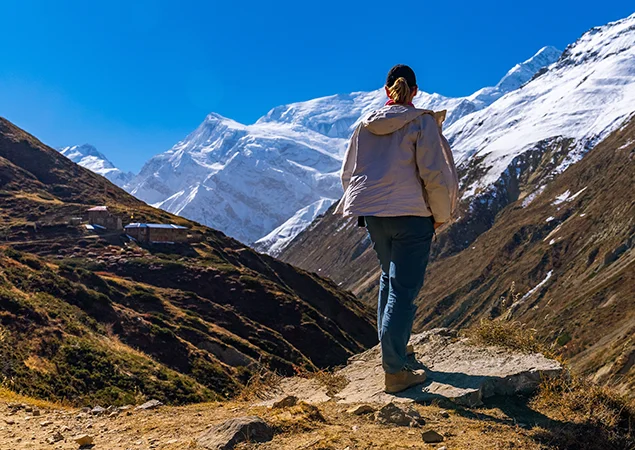
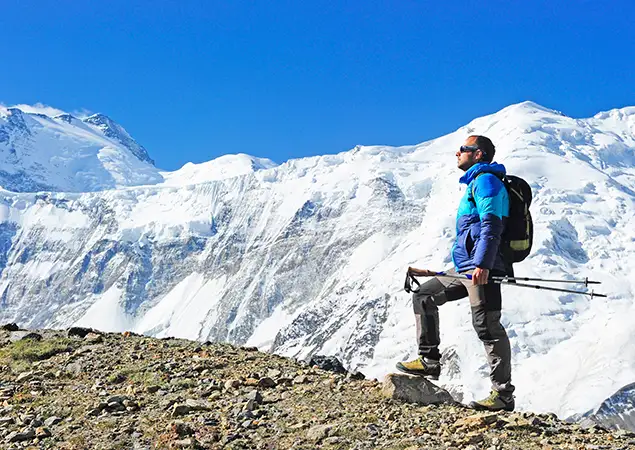
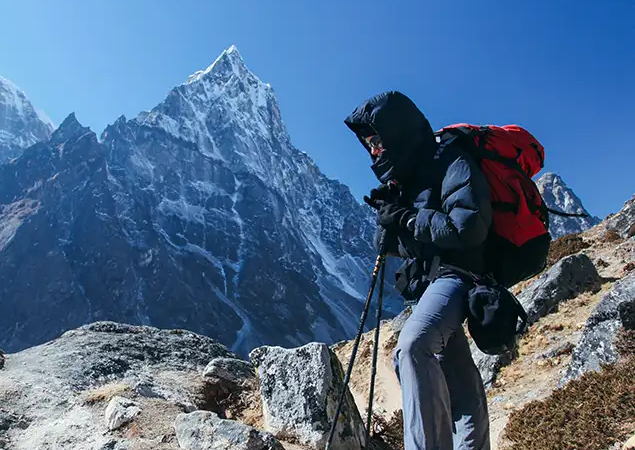
Hiking in Nepal offers some of the world’s best trails, with Everest, Annapurna, and Langtang as the top trekking regions. Other outstanding options include the Manaslu Circuit, Western routes such as Dolpo and Rara, and Eastern trails like Kanchenjunga.
Nepal is often called a hiker’s paradise. This small Himalayan country is home to eight of the world’s ten highest mountains, including the tallest mountain, Mount Everest. Nepal is an ideal destination for mountain and adventure enthusiasts.
Nepal is a diverse country. It has towering Himalayan peaks, lush valleys, terraced hillsides, green forests, and flat plains. Hikers get to pass through remote villages and notice the changing landscapes daily. Hiking in Nepal blends the natural beauty with culture, creating a unique experience.
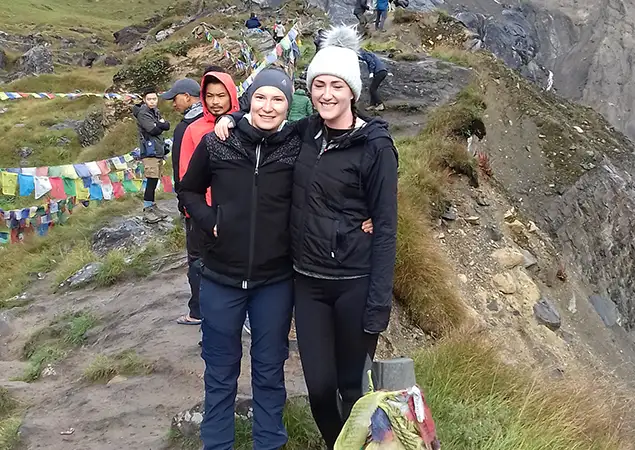
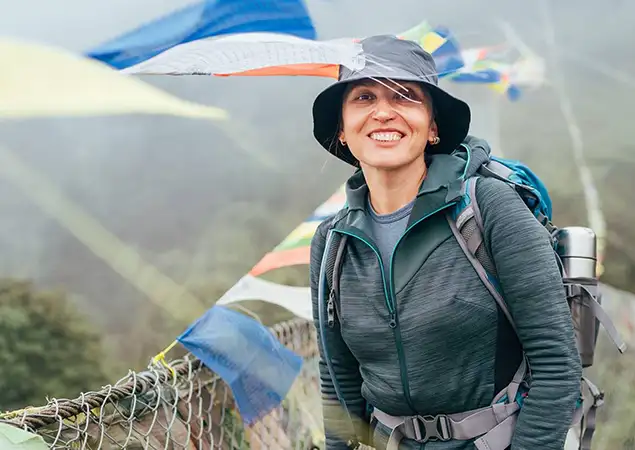
Every year, thousands of travellers from across the globe come to Nepal to enjoy its dramatic mountains and rich traditions. Locals are friendly, and learning their way of life in the foothills gives you a new perspective. Cultural sites like monasteries with prayer flags and ancient stupas provide a spiritual dimension to the hike. Each corner of the country has influences from Hinduism and Buddhism, with many faiths living together in harmony. This blend of culture and nature makes Nepal a perfect trekking destination/.
Before the tourism and trekking industry started getting attention, locals used these trekking routes for trade and pilgrimage. It was not until 1953 when Tenzing Norgay and Sir Edmund Hillary climbed Mount Everest that Nepal got any international attention. Since then, the Everest Base Camp trail has been a major tourist attraction. The EBC, the Annapurna Circuit, and other trails are equally popular. The booming tourism industry has given job opportunities to the locals. They run local teahouses along the path, providing all travelers with food, shelter, and warm hospitality. At present, tourism contributes about 7% to Nepal’s GDP. This well-established trekking infrastructure has made trekking accessible for all travelers.
You should know more than just the trail when planning your hike. You should research the best time to visit, permits, and the right gear. Hiring a porter and a guide is always a good option to enhance the trekking experience. They make your trek more enjoyable, ensure altitude safety, and teach local customs.
Hiking in Nepal is an unforgettable experience. With proper preparation, your trek will become part of a memorable adventure.
Here are some of the most popular hiking routes in Nepal:
Everest Base Camp Trek:
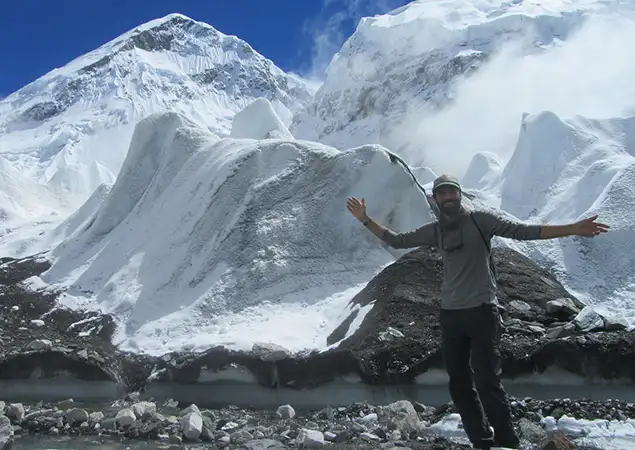
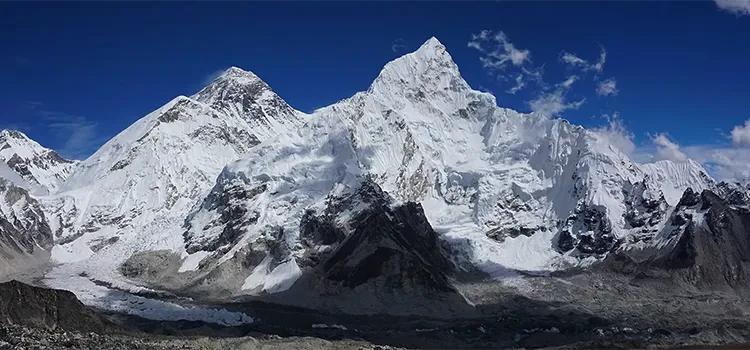
The Everest Base Camp trek might be one of Earth’s most famous trekking trails. The hike takes you to the foot of the world’s highest peak at 5,364m. From a scenic flight to Lukla, the trek takes you through many Sherpa villages like Namche Bazaar. Tengboche Monastery and the views of the high mountains are the key highlights of the trek. Many trekkers take an additional hike to Kala Patthar at 5,545m for a sunrise view of the giant peaks. It is moderately to highly challenging due to the altitude. Good fitness and proper acclimatization help manage the trek.
Annapurna Circuit Trek: The Annapurna Circuit trek is a 2-3 3-week-long trek. Trekkers hike through changing landscapes from rice terraces and subtropical forests to high-altitude environments. You will pass Gurung and Thakali villages, visit sacred sites like Muktinath Temple, and cross the Thorong La Pass at 5,416m. Crossing the pass will take you to the dry Mustang with a Tibet-like scenery. The trek is demanding and serves a mix of culture and landscape, making it one of Nepal’s most rewarding treks.
Langtang Valley Trek: The Langtang Valley Trek is just a day’s drive away from Kathmandu. It is ideal for trekkers who want fewer crowds and a shorter schedule, as it lasts only 7 to 10 days. You will pass through forests, including the Tamang forest. You can enjoy yak cheese in Kyajin Gompa and take side trips to glaciers or viewpoints. The trek is moderate, reaching about 4,000m, and offers a close look at the beautiful landscape and mountain life.
Ghorepani Poon Hill Trek: The Ghorepani Poon Hill trek is perfect for beginners. This short 4-5 day trek in the Annapurna Circuit takes you through rhododendron forests, terraced fields, and Ghroepani. Take an early morning hike to Poon Hill at 3,210m for exceptional sunrise views of Annapurna and Dhaulagiri. The trek is easy, and there are comfortable teahouses along the way.
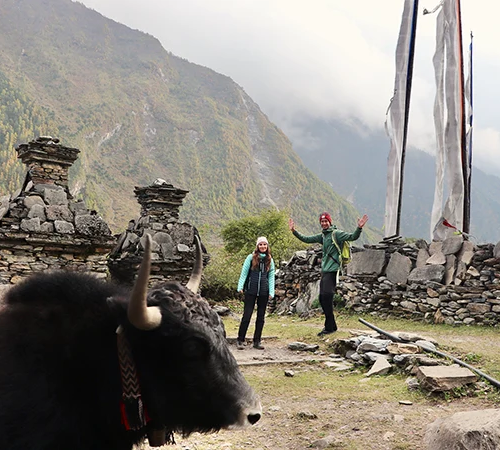
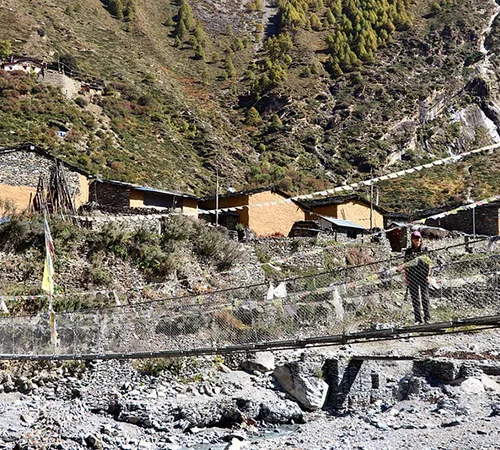
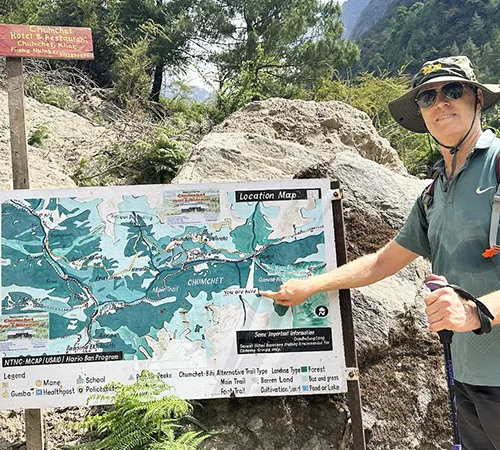
Manaslu Circuit Trek: The Manaslu Trek is about 14-16 days long, circling the 8th-highest peak of the world, Mount Manaslu. The Manaslu trek is a remote and less crowded trek requiring a special permit and guide. The trekking route is a restricted area that passes traditional villages following Tibetan Buddhism, and reaches the Larkya La Pass at 5,106m. The trek is challenging and rewarding. It is ideal for experienced hikers who want solitude and can manage rugged terrain.
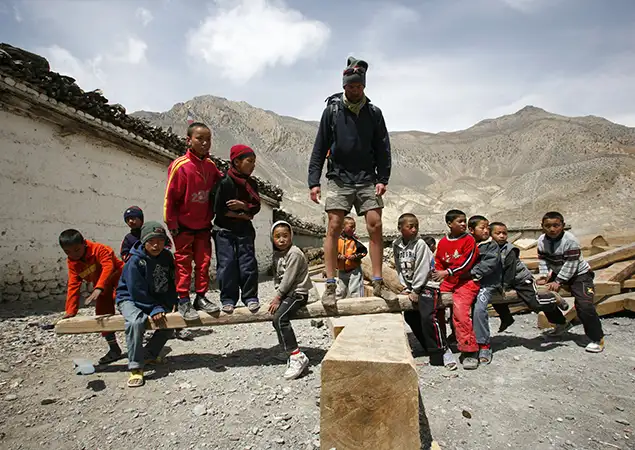
Upper Mustang Trek: This trek offers a different landscape and culture. It is an isolated region with a desert-like landscape. This 10-12-day trek will take you to Lo Manthang, the capital of the late Kingdom of Lo. The trail goes through red cliffs, eroded canyons, and mysterious ancient caves. It is a restricted zone, so yo u need a special permit and a guide. The max elevation is around 4,000m. Mustang falls in the rain shadow, meaning you can trek this trail even during the monsoon season.
Nepal has four trekking seasons: autumn, spring, winter, and monsoon. Your experience varies according to the seasons. Here is more detailed information on each season.
It is one of the best trekking seasons in Nepal. The weather is stable with excellent visibility. Forests are lush, and flowers are in full bloom. Most forests have rhododendrons and wildflowers blooming, making the trails even more beautiful. Mid-altitudes have moderate temperatures, and lower regions might feel hot by late May, with higher trails still pleasant. The sky is clear, and longer days make trekking even more enjoyable.
The rain from the Bay of Bengal during the summer monsoon makes trekking during June to August extremely challenging. Trails are slippery with leeches, landslides are common, and clouds hide the mountains. However, Upper Mudstang or Dolpo trekking is still possible as they lie in the rain shadow.
Autumn (September to November) is Nepal’s most popular trekking season. The trail is dust-free, and the skies are crystal clear. Forests are lush green, the weather is stable, and the waterfalls are full. Days are warm and nights are cool, with October and November having the best mountain views. Since it is the most popular trekking season, accommodation may be scarce and trails crowded. It is better to book early.
The temperature can be freezing during winter. Days are dry and clear but cold. Temperature can go below freezing with snow blocking the high passes. Lower-altitude treks like Ghorepani Poon Hill and hikes around Kathmandu are available, but higher-altitude treks are almost impossible for trekkers with less experience.
Crowd and Accommodation: Peak seasons like spring and autumn have busy trails with heavy crowds. Teahouses may not be available due to high demand and low supply. Book early to secure a place. Prices are also higher during peak seasons.
Off-seasons like monsoon and winter have quieter trails. Many teahouses remain closed due to unsuitable weather. Check the trail conditions and weather forecasts daily for safety and to avoid inconvenience.
Tourist Visa: Most travelers can get a tourist visa on arrival at Kathmandu Airport. You can choose 15,30, or 90-day visa, each with different fees. Bring your passport photo and cash in USD or NPR to pay the costs. These conditions are subject to change, so check the terms before landing in Nepal.
Trekking Permits: You need a specific trekking permit for a particular trekking route.
How to get permits: You can get these permits from the Nepal Tourism Board in Kathmandu or Pokhara. If you’re travelling with a local trekking agency, they will arrange the paperwork and permits for you. Carry your permits during the trek so it’s easier to get through the checkpoints.
Local guides know the region. They know the local language and customs, and share valuable insights about the area. They make your trek smoother and enjoyable. They know the regional flora and fauna, have training in mountain first-aid, and are experts in navigation. They will lead your trek and respond to altitude issues or emergencies, ensuring extra security.
Porters carry your bags, usually 20-30 kg. They take your main backpack, allowing you to hike with just a small daypack with essentials. Trekking is physically easier with porters. You can focus on the scenery and the trek instead of carrying the heavy weight.
You can hire porters and guides through licensed trekking agencies in Kathmandu or Pokhara. Expect to pay around USD 25-30 per day for the guide and USD 15-20 per day for porters, minus the tip. It is customary to tip about 10%of the total trekking cost at the end of the trek. Hiring through a local agency helps the local economy and supports ethical trekking practices.
Ensuring proper clothing and gear for your guides and porters is essential. Pack light so it is easier for both you and your porter. Your porters and guides work hard to make your trek more enjoyable; you should treat them respectfully.
You can also hike independently on routes like Ghorepani Poon Hill or parts of the Annapurna region. These treks have well-marked and busy trails, ensuring safety. However, you legally require a licensed guide to hike in restricted areas like Upper Mustang or Manaslu. With no proper implementation, the Nepal government has banned solo trekking without guides in the Everest region.
Teahouses:
Teahouses are the standard accommodation throughout the trekking trails of Nepal. These teahouses are small and family-run, offering modest and comfortable lodging.
The rooms are simple, usually with two simple beds with basic bedding. Bathrooms are generally shared, and hot showers are available at some lower-altitude lodges for a small fee. WIFI and charging electronics also cost extra, as electricity is limited.
Teahouses are cheaper in lower areas and slightly more expensive in higher altitudes. The cost ranges from USD 5 to 10 per night for a bed. Some popular routes have higher-end lodges for trekkers who want a more luxurious stay.
Camping:
Some remote areas like Upper Dolpo don’t have any teahouses, so you need to camp for the night. Trekkers need tents, cooking equipment, and a support team for camping. Popular and established trails like the Annapurna Circuit and Everest Base Camp have teahouses throughout the trek. Camping may not always be necessary, but it is better to prepare for any circumstance.
Booking and Availability:
Teahouses don’t require advanced booking, as rooms are easy to find upon arrival. But rooms fill up quickly during peak seasons, so book if you plan to trek in those months. If you don’t want to book early, arrive by midday to secure a bed.
Teahouses are part of the trek. You share meals and stories with fellow trekkers and the local people. You get to connect with the host and get to enjoy the hospitality.
Most teahouses offer a variation in their menu. These options are simpler than in cities, yet fulfilling.
Dal Bhaat: It is the most popular meal choice. Dal bhaat comes with a plate of rice, lentil soup, pickles, and vegetables. These plates often come with free refills and are filling, ideal for trekkers.
Other Nepali Dishes: Momo (dumplings), noodle soups, and vegetable curries are also available
Western Options: In most teahouses, you can order pasta, pancakes, and even pizza or toast. Popular trekking routes have small bakeries with desserts like apple pie.
Meat: While some villages offer meat, most trekkers opt for vegetarian options as meat can be stale. You need to manage your meals if you are a strict vegan or need gluten-free food, as they can be hard to find in the mountains.
Cost: Meals like dal bhaat or noodles cost about USD4-5 in lower altitudes and USD8-10 in higher altitudes. Extra snacks, tea, and coffee cost more, so budget accordingly.
Water and Snacks: Most trekkers drink boiled or purified water to avoid waterborne diseases. Bringing a reusable bottle with a purification method for safe drinking water is better. You can get your favorite snacks from home, like energy bars, nuts, dry fruits, or chocolates. Snacks are available but expensive on the trekking trails.
Clothing: Bring layers to manage the changing mountain conditions. Bring a breathable thermal top, leggings for base layers, and a fleece or lightweight down jacket for the mid-layer. Bring a waterproof or windproof shell for the outer layer. Bring a warm beanie, sun hat, gloves, and thermal socks. Your footwear should be sturdy and broken-in, with good ankle support.
Backpack: A daypack of 30-40L capacity for essentials and a duffel bag of 60-70L capacity for the rest of your gear. If you are not trekking with a porter, bring a backpack of 50-70L capacity with a strong waist belt. You need a rain cover or liner to protect your gear from moisture and rain.
Trekking Gears and Other Essentials: Bring a headlamp with spare batteries, power banks, a universal adapter, and extra camera batteries. [ack your toothbrush, hand sanitizer, soap, and quick-dry towel. You need a trekking pole to balance and reduce knee strain during steep descents. Bring bandages, blister pads, pain relievers, and personal medications for first aid. Use SPF30+ sunscreens, UV sunglasses, lip balm, and a sun hat for sun protection. Don’t forget your reusable water bottle with a purification method for safe drinking water.
Renting vs Buying gear: You can rent or buy gear in Pokhara and Kathmandu. If you are a one-time trekker, renting gear is more cost-effective. But if you trek or hike often, buy some nice quality gear. Check the gear quality, like zippers, insulation, and hygiene, when renting.
Other tips: Keep your total weight under 15kg so it’s easier to carry. Prioritize essentials and multi-use items, and pack travel-size toiletries. It’s better to buy one high-quality jacket instead of many bulky layers.
Some hiking trails require a more fit body than others. Regardless, being in shape is better, so the trek is easier. You can manage shorter treks like Poon Hill if you can walk several hours uphill and downhill. Moderate fitness makes the trek more enjoyable. You need more endurance for longer or High-altitude trekking like Everest Base Camp or the Annapurna Circuit trek.
It is better to start training a few months before the trek so your body can handle the daily hike. DO cardio exercise like running and cycling, and exercise your leg and core strength. Practice hikes with full gear and weight to simulate trekking conditions.
Altitude: Most treks in Nepal have trails over 3,000m. Altitude sickness is a concern whenever crossing 2,500m. Oxygen levels drop, and altitude sickness can affect trekkers regardless of fitness.
While trekking, gain altitude gradually and include rest days to let the body get used to the altitude. Drink plenty of water and eat regularly, even when you don’t feel like it. Avoid alcohol as it dehydrates the body. Learn the symptoms of altitude sickness. Common symptoms include headaches, nausea, dizziness, fatigue, and trouble sleeping. In case of any severe symptoms, halt your trek and descend if necessary. You can take Diamox as a prevention, but descending is the best solution.
Weather: Mountain conditions change frequently. Check the forecast daily before the trek so you can avoid unsafe situations. Avoid crossing high passes or vulnerable sections in case of heavy snow or rain forecast. Make sure to carry warm layers and rain gear at all times. If the weather seems too dangerous, wait it out. Better safe than sorry.
Marked Trails: Stick to the marked trails, as getting lost in the fog or forest is easy. If you’re trekking solo, join a larger group for rugged and remote sections. You may come across yaks or mule caravans while trekking; make way for them by standing on the uphill side to avoid being pushed off the trail. Avoid trekking after sunset at all costs. If you don’t reach the stop for the day, stay overnight in the nearest spot.
Health Precautions: Consult a doctor before travel for any vaccinations and medications. Carry your first-aid kit with your medication. Before your trek starts, purchase travel insurance covering high-altitude trekking and emergency evacuation. Keep your emergency contact numbers accessible in case you need them.
Hiking in Nepal is relatively affordable than other destinations. Your cost depends on your trekking preference, route, and style.
Tips: Join group treks to share guide/porter cost and eat local meals like dal bhaat. Bring a water purification method and a reusable water bottle, and rent/buy gear locally for affordable prices. These small steps can help reduce your total trekking cost. Nepal has something to offer for every trekker, from basic to luxury.
Wifi: Many teahouses provide WIFI. The connection is often slow and costs around $2-5 daily. You can only send messages or check emails with this connectivity. You can use Everest Link WIFI cards with a set data allowance in the Everest region.
Mobile Network: Some trekking areas have Ncell and NTC coverage. Lower elevations have irregular service and unreliable reception in remote areas. You can use a local SIM card for connectivity and mobile data.
Solar panels or small hydropower systems generate electricity. Since electricity is limited, most teahouses charge $1-3 per hour/device to charge electronics. At higher altitudes, charging is only available during certain hours when the generator runs. We recommend carrying a power bank of 10,000-20,000 mAh to charge devices.
Airplane mode in phones helps conserve battery and turn off offline resources like maps, translation apps, or e-books before the trek.
1. How can I interact respectfully with locals in Nepal?
You can greet people with a simple “Namaste”. Put your palms together and do a slight bow while greeting. Be patient and avoid PDA or anger in public. Ask permission before clicking pictures of anyone or the cultural sites. Dress appropriately and respect the locals.
2. How should I dress for a temple visit and while trekking?
Hindu temples don’t allow leather items. Dress modestly while visiting any cultural sites or when travelling in rural areas. Remove shoes and hats before entering temples, monasteries, and homes.
3. Are there customs I should know about regarding food and gestures?
Use your right hand to accept or give any items, and when eating. Don’t touch people’s heads as locals consider it the most sacred body part. Avoid touching others’ food or utensils, and don’t point with your finger. Make sure not to step over people and point your feet at religious items.
4. How can I practice sustainable tourism in Nepal?
Nepal promotes sustainable and responsible trekking guidelines. Follow Leave No Trace principles by carrying trash and avoiding single-use plastic. Conserve water and energy; don’t disturb natural habitats or collect firewood.
5. Why is travel insurance important for trekking, and what should it cover?
Travel insurance is one of the most essential parts of trekking. It covers medical emergencies, altitude sickness, trip cancellations, and helicopter evacuation in remote areas. It gives peace of mind while trekking and protects you from a financial strain in case of any emergencies during the trek. Ensure your insurance covers high-altitude trekking up to 6,000m, emergency helicopter evacuations, and direct payment to service providers.
6. How can I stay connected in Nepal, and where should I buy a local SIM card?
You can use WIFI in the lodges for a fee of $2-5 per day. The connection is slow and unreliable. You can buy a local Ncell or NTC SIM card. These cards are affordable and have more connectivity. You can buy one in Tribhuvan International Airport or authorized mobile shops in Kathmandu/Pokhara. You need your valid passport and an ID picture to purchase a local SIM card.
7. What is the local currency, and how should I manage money?
The local currency of Nepal is the Nepalese Rupee or NPR. The trekking trails don’t have any ATMs and lodges don’t accept foreign cash ot cards, so carry enough NPR cash. Withdraw enough money and exchange it to NPR, and bring it in small denominations for easier transactions.
8. Are ATMs or credit cards accepted during treks?
Trekking trails don’t accept ATMs, except for some luxury lodges. Almost all teahouses and shops only accept cash in the local currency. Places accepting cards charge a service fee. Carry enough money so you can buy what you want during the trek.
9. What health precautions should I take?
Consult a doctor before the trek for vaccinations and medications. Get shots for Hepatitis A, Typhoid, etc, and check if you need any medicines for the trek. Eat proper meals, acclimate properly, carry hand sanitizer, and most importantly, stay hydrated.
10. What should I include in my first-aid kit?
Your first aid kit includes bandages, blister pads, antiseptics, and pain relievers. Carry your medications, antihistamine, rehydration salt, and Diamox if prescribed.
11. How far in advance should I prepare for a trek?
12. What is a detailed packing list for trekking in Nepal?
Bring breathable base layers, fleece mid-layers, and waterproof shell trekking pants. Pack down jacket, gloves, hat, and multiple pairs of trekking socks for clothes.
13. What should I do in an emergency while trekking?
Inform your guide or call the authorities immediately in case of emergencies. If altitude sickness is severe, descend immediately. Your insurance must cover a helicopter rescue.
14. How can hikers support local communities?
You can help and support the local communities in various ways. Hire local guides and porters, and buy local food and handicrafts to support the community directly. Pay fair prices, respect customs, and tip appropriately. You can also volunteer or donate to the local schools or hospitals.
15. What wildlife and nature can I expect?
Most routers have rhododendron, pine, and bamboo forests. Higher altitudes have Himalayan tahr, ghorals, marmots, pheasants, and snow leopards. You can spot rhinos, elephants, and even tigers in Chitwan ot Bardia.
16. What should I do after a trek in Nepal?
You can explore Kathmandu if you have time after the trek. You can also go to Chitwan for a jeep safari to spot rhinos and tigers. Many trekkers like relaxing in the lakeside city of Pokhara and visiting Lumbini, the birthplace of Lord Buddha. You have the option to enjoy yoga or simply rest.
Independent service rating based on 142 reviews.

Nepal has two world-class circuit treks: the Manaslu Circuit and...
Altitude defines the Manaslu Trek more than distance or trail...
Manaslu Circuit Trek Difficulty rates as challenging — about 7...